Introduction
Creating restaurant-quality dishes at home is not only possible but can also be a fun, rewarding experience. Whether you love cooking or are a beginner in the kitchen, mastering a few professional techniques can elevate your meals and impress family and friends. This guide will help you recreate your favorite restaurant-style dishes with flavors, presentation, and textures that rival any fine dining experience.
Understanding the Secrets Behind Restaurant Cooking
The difference between home cooking and restaurant-style dishes often comes down to technique, ingredient quality, and presentation. Professional chefs focus on balancing flavors, mastering cooking methods, and paying attention to the smallest details.
Choosing High-Quality Ingredients
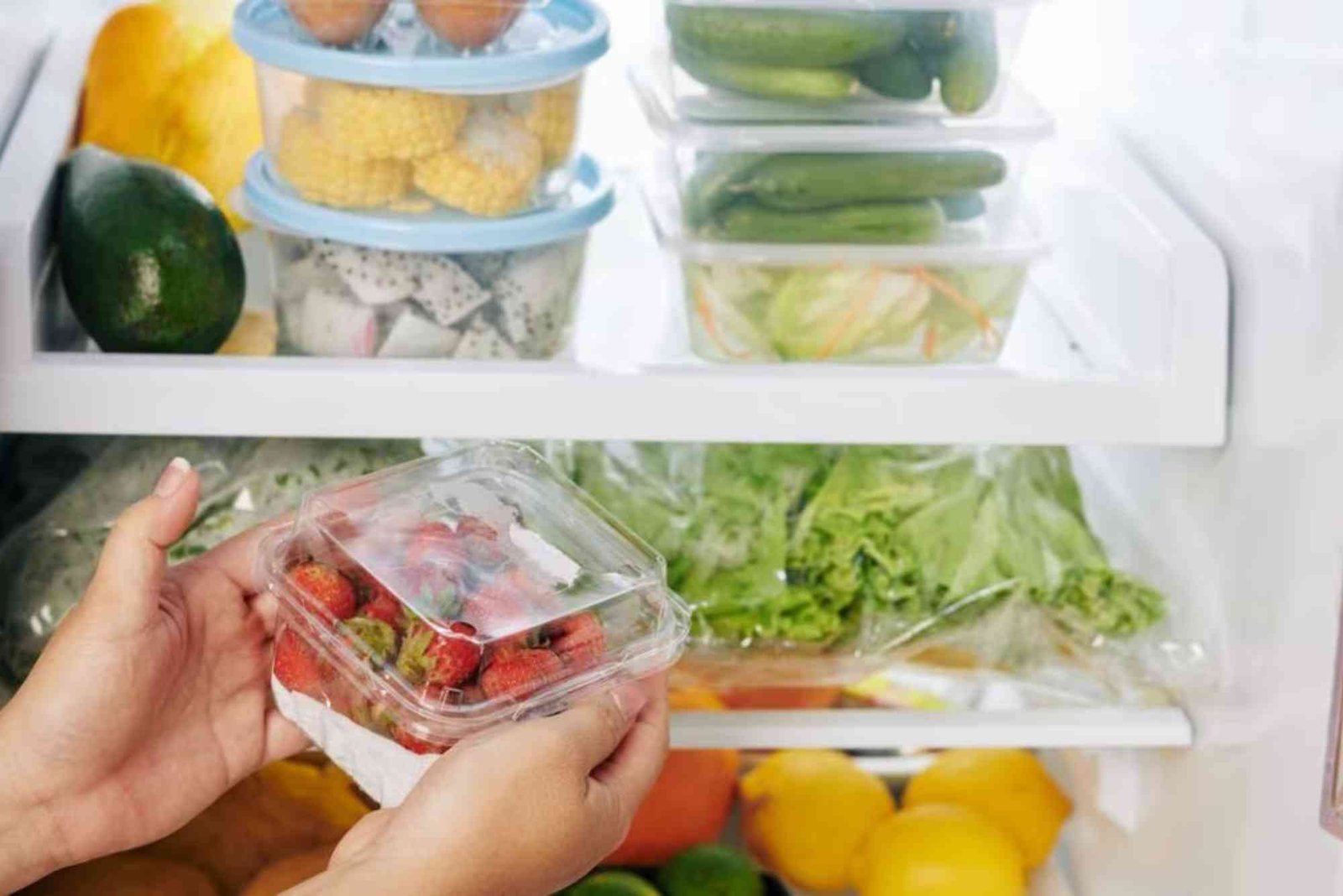
Fresh, high-quality ingredients form the foundation of restaurant-style meals. Restaurants often use seasonal produce, fresh herbs, and premium cuts of meat. When shopping for home cooking, select ingredients with vibrant colors, firm textures, and natural aromas. Organic or locally sourced produce can add a noticeable difference in flavor.
Mastering Basic Techniques
Several fundamental cooking techniques help transform ordinary dishes into restaurant-worthy creations. Understanding methods like sautéing, roasting, searing, and deglazing can bring out flavors and textures that elevate your meals. Precision in cooking time and temperature is crucial—overcooked or undercooked food can quickly lose its gourmet appeal.
Layering Flavors
Restaurants excel in layering flavors to create complex, memorable dishes. This includes balancing sweet, salty, sour, and umami elements. Techniques like marinating, seasoning at different stages, and finishing with fresh herbs or acid (like lemon juice or vinegar) can replicate the depth of restaurant dishes at home.
Essential Tools for Gourmet Home Cooking
While you don’t need a professional kitchen, some tools make it easier to achieve restaurant-quality results. A sharp chef’s knife, non-stick pans, a digital thermometer, and quality cookware can significantly improve both efficiency and outcomes. Investing in these essentials pays off in the consistency and presentation of your dishes.
Knife Skills
Proper knife techniques help with uniform cooking and professional presentation. Learn how to julienne, dice, and chiffonade vegetables to make meals look polished and precise. Good knife skills also speed up prep work, reducing cooking stress.
Cookware and Equipment
A heavy-bottomed skillet, roasting pan, and a sturdy cutting board are staples. Equipment like a blender for sauces, a fine mesh sieve for smooth textures, and a food processor for purees can help achieve restaurant-quality textures at home.
Techniques to Elevate Everyday Meals
Perfecting Proteins
Cooking proteins like chicken, beef, or fish with the right technique is essential. Searing meat at high heat locks in juices and creates a flavorful crust. Oven roasting or sous-vide cooking ensures even doneness. For seafood, gentle poaching or pan-searing keeps delicate textures intact.
Crafting Flavorful Sauces
Sauces distinguish a home-cooked meal from a restaurant dish. A simple pan sauce made from drippings, wine, or stock adds depth to meat dishes. Emulsified sauces, like hollandaise or vinaigrettes, provide richness and acidity, enhancing flavor complexity.
Cooking Vegetables Like a Pro
Vegetables can be elevated with roasting, grilling, or sautéing with herbs and garlic. Finishing them with a drizzle of quality olive oil, a squeeze of lemon, or a sprinkle of fresh herbs adds brightness and enhances their natural flavors. Presentation matters here as well—arranging vegetables in clean, colorful layers mimics restaurant plating.
Perfect Plating Techniques
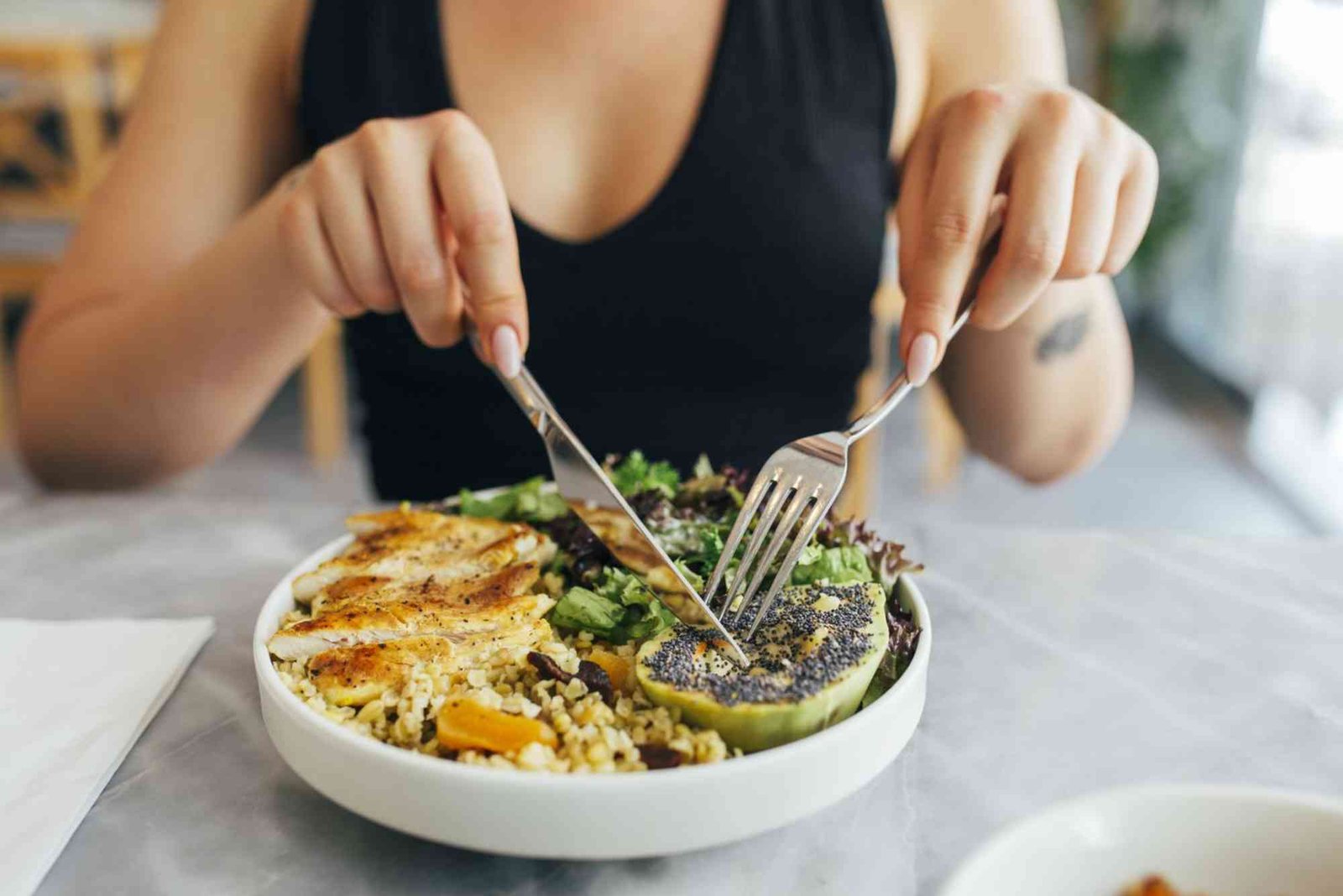
Presentation is the final step in making a dish feel gourmet. Use the plate as a canvas: balance colors, heights, and textures. Small garnishes like microgreens, edible flowers, or a drizzle of reduction can add elegance. Even spacing and symmetry help achieve a polished, professional look.
Making Restaurant-Style Dishes at Home Step by Step
Start Simple
Begin with dishes you enjoy eating. Pasta, risotto, roasted chicken, or seared salmon are excellent starting points. Focus on perfecting one recipe at a time before attempting more complex creations.
Prep Like a Chef
Restaurants thrive on mise en place—everything in its place. Chop, measure, and organize ingredients before cooking. This preparation reduces stress, allows multitasking, and ensures even cooking, especially for dishes requiring multiple components.
Time Your Cooking
Cooking restaurant-style meals requires timing coordination. While proteins are cooking, prepare sauces, vegetables, and garnishes. Having everything ready simultaneously ensures each component is at its peak flavor and temperature.
Taste and Adjust
Chefs constantly taste their dishes and adjust seasoning. Don’t be afraid to tweak salt, acidity, or spices as you cook. Layering seasoning throughout the cooking process ensures bold and balanced flavors.
Popular Restaurant-Style Dishes to Try at Home
Gourmet Pasta Dishes
From creamy Alfredo to rich Bolognese, pasta dishes can be elevated with fresh herbs, high-quality cheeses, and hand-crafted sauces. Cooking pasta al dente and finishing it in the sauce ensures flavor absorption and silky textures.
Seared Steaks and Roasted Meats
A perfectly seared steak with a pan sauce is achievable at home. Pair it with roasted vegetables and a side puree for a full restaurant-quality plate. Resting meat after cooking locks in juices and enhances tenderness.
Elegant Desserts
Classic desserts like crème brûlée, molten chocolate cake, or panna cotta can be recreated with precise temperature control and presentation. Garnishes like berries, edible flowers, or a caramel drizzle add a restaurant-style finishing touch.
Tips to Make Cooking Fun and Stress-Free
Cooking at home doesn’t have to be overwhelming. Play your favorite music, set up your workspace efficiently, and enjoy the process. Experimenting with new flavors and techniques helps develop skills while keeping meals exciting. Even if the dish isn’t perfect the first time, practice improves both flavor and presentation.
Bring Restaurant Magic to Your Kitchen
Making restaurant-style dishes at home is about quality ingredients, proper techniques, and attention to detail. By investing in tools, learning foundational skills, and approaching cooking with care, you can transform your everyday meals into gourmet experiences. Start small, practice consistently, and enjoy the creative journey in your kitchen. Elevate your meals today and impress everyone at your table with restaurant-quality dishes you made yourself.
FAQs
How can I make my dishes taste like a restaurant?
Focus on fresh, high-quality ingredients, proper seasoning, and layered flavors. Techniques like searing, roasting, and finishing with fresh herbs elevate taste.
What tools do I need to cook restaurant-style at home?
A sharp chef’s knife, heavy-bottomed skillet, roasting pan, blender, and digital thermometer are essential. Quality cookware ensures even cooking and professional results.
How do I make plating look like a restaurant?
Balance colors, textures, and heights on the plate. Use garnishes like microgreens, edible flowers, or sauce drizzles for elegance. Clean edges and symmetry enhance presentation.
Can beginners cook gourmet meals at home?
Yes! Start with simple recipes, practice foundational techniques, and gradually experiment with more complex dishes. Patience and consistency are key.
Are restaurant sauces difficult to make at home?
Not at all. Pan sauces, reductions, and emulsified sauces like vinaigrettes or hollandaise can be made easily with basic techniques and practice.