Introduction
Choosing the right interior design style is one of the most exciting yet challenging decisions when decorating your home. Modern and traditional decor styles each have their unique charm, aesthetic, and functionality. Understanding the key differences can help you create a space that reflects your personality while maintaining harmony and comfort. In this guide, we’ll explore how to choose modern vs. traditional decor styles, helping you make informed decisions for every room.
Understanding Modern Decor
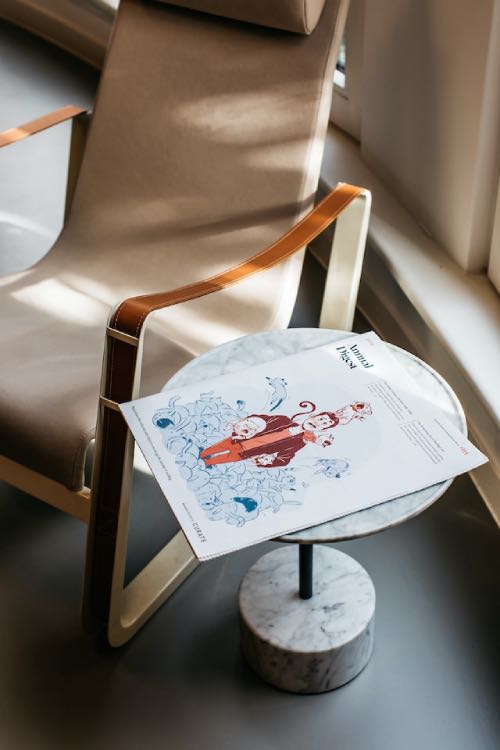
Modern decor emphasizes simplicity, clean lines, and functional spaces. It emerged in the early 20th century and continues to evolve, often overlapping with contemporary styles.
Key Characteristics of Modern Decor
- Minimalism: Modern interiors prioritize clutter-free spaces with streamlined furniture.
- Neutral Colors: Shades like white, gray, and beige dominate, accented by bold pops of color.
- Natural Materials: Wood, glass, metal, and stone are used creatively to add texture.
- Open Spaces: Modern designs often favor open floor plans that promote flow and light.
Benefits of Choosing Modern Decor
- Low Maintenance: Fewer intricate details make cleaning and upkeep easier.
- Flexibility: Neutral backdrops allow easy integration of seasonal trends or personal items.
- Enhanced Lighting: Open layouts and large windows maximize natural light.
Understanding Traditional Decor
Traditional decor draws inspiration from classic European styles, often reflecting 18th and 19th-century design principles. It exudes warmth, elegance, and attention to detail.
Key Characteristics of Traditional Decor
- Rich Colors: Deep reds, greens, and browns create cozy, inviting spaces.
- Ornate Furniture: Wood furniture with carvings and decorative details is common.
- Symmetry: Rooms often have balanced arrangements for a harmonious feel.
- Layered Textures: Rugs, drapes, and fabrics add depth and comfort.
Benefits of Choosing Traditional Decor
- Timeless Appeal: Traditional designs rarely go out of style.
- Cozy Atmosphere: Warm colors and textures create welcoming spaces.
- Personalization: Antique or heirloom furniture adds a personal touch.
Modern vs. Traditional Decor: Key Differences
Comparing modern and traditional styles helps you identify which aligns better with your preferences.
Color Palette
- Modern: Neutral, monochromatic tones with accent colors.
- Traditional: Warm, rich, and often darker shades.
Furniture Style
- Modern: Sleek, simple, and functional.
- Traditional: Ornate, classic, and decorative.
Layout & Space
- Modern: Open, airy spaces with minimal clutter.
- Traditional: Structured, symmetrical layouts with layered decor.
Material & Textures
- Modern: Glass, metal, stone, and smooth surfaces.
- Traditional: Wood, plush fabrics, and intricate patterns.
Mixing Modern and Traditional Styles
Blending styles can create a dynamic, personalized space. Here are tips for achieving balance:
Use Transitional Furniture
Transitional pieces bridge the gap between modern simplicity and traditional detail, creating harmony.
Balance Colors
Combine neutral modern palettes with warm traditional accents like cushions, rugs, or wall art.
Highlight Statement Pieces
Let one style dominate the room while incorporating elements of the other as accent pieces.
Incorporate Texture
Use modern materials like glass and metal alongside traditional textures like velvet or carved wood to add depth.
Tips for Choosing the Right Style
Consider Your Lifestyle
Modern styles suit minimalists and busy homeowners seeking easy maintenance, while traditional designs fit those who enjoy a cozy, decorative ambiance.
Evaluate Your Space
Small spaces often benefit from modern layouts, whereas larger homes can accommodate the richness of traditional decor.
Think Long-Term
Choose a style that aligns with your personal taste and will remain appealing over time.
Experiment with Accessories
If unsure, start with small elements like lamps, cushions, or wall art to test your preference before committing fully.
Choosing between modern and traditional decor ultimately comes down to your lifestyle, taste, and the ambiance you want to create. Modern decor offers simplicity, flexibility, and light-filled spaces, while traditional decor provides warmth, elegance, and timeless charm. By understanding their differences and experimenting with elements, you can craft a home that truly reflects your personality.
FAQs
What is the difference between modern and contemporary decor?
Modern decor refers to a specific style originating in the early 20th century, emphasizing simplicity and functionality. Contemporary decor is ever-evolving and reflects current trends.
Can I mix modern and traditional decor in the same room?
Yes, blending styles—also known as transitional design—can create a balanced and personalized space. Focus on complementary colors, textures, and statement pieces.
Which style is better for small apartments?
Modern decor is usually better for smaller spaces due to its minimalism, clean lines, and open layouts.
How do I choose between modern and traditional furniture?
Consider your lifestyle, space, and long-term preferences. Modern furniture suits minimalists; traditional furniture suits those who love warmth and ornate detail.
Are modern homes more expensive to decorate than traditional homes?
Costs vary depending on materials and quality. Modern decor can be less expensive due to minimal ornamentation, but high-end modern pieces can also be costly.
How to Use Lighting to Transform Your Home Decor – Lighting can completely change the mood and feel of any room. Use a mix of ambient, task, and accent lighting to highlight architectural features, create cozy corners, and add drama. Warm tones make spaces inviting, while bright, cool lights energize areas like kitchens and offices. Small changes can make a big impact.