Introduction
Food is an essential part of life, but for beginners, navigating the world of cooking, nutrition, and meal planning can feel overwhelming. Understanding the basics, learning practical tips, and avoiding common mistakes can transform your food experience. Whether you’re cooking for yourself for the first time or trying to improve your diet, these practical food tips for beginners will guide you step by step.
Understanding Food Basics
Grasping fundamental concepts about food is the first step toward confident cooking. This involves recognizing the importance of nutrients, the role of different ingredients, and safe food handling. Beginners often overlook how simple adjustments can make meals healthier, tastier, and easier to prepare. Learning these basics sets the stage for a smoother cooking journey.
Nutrition Matters
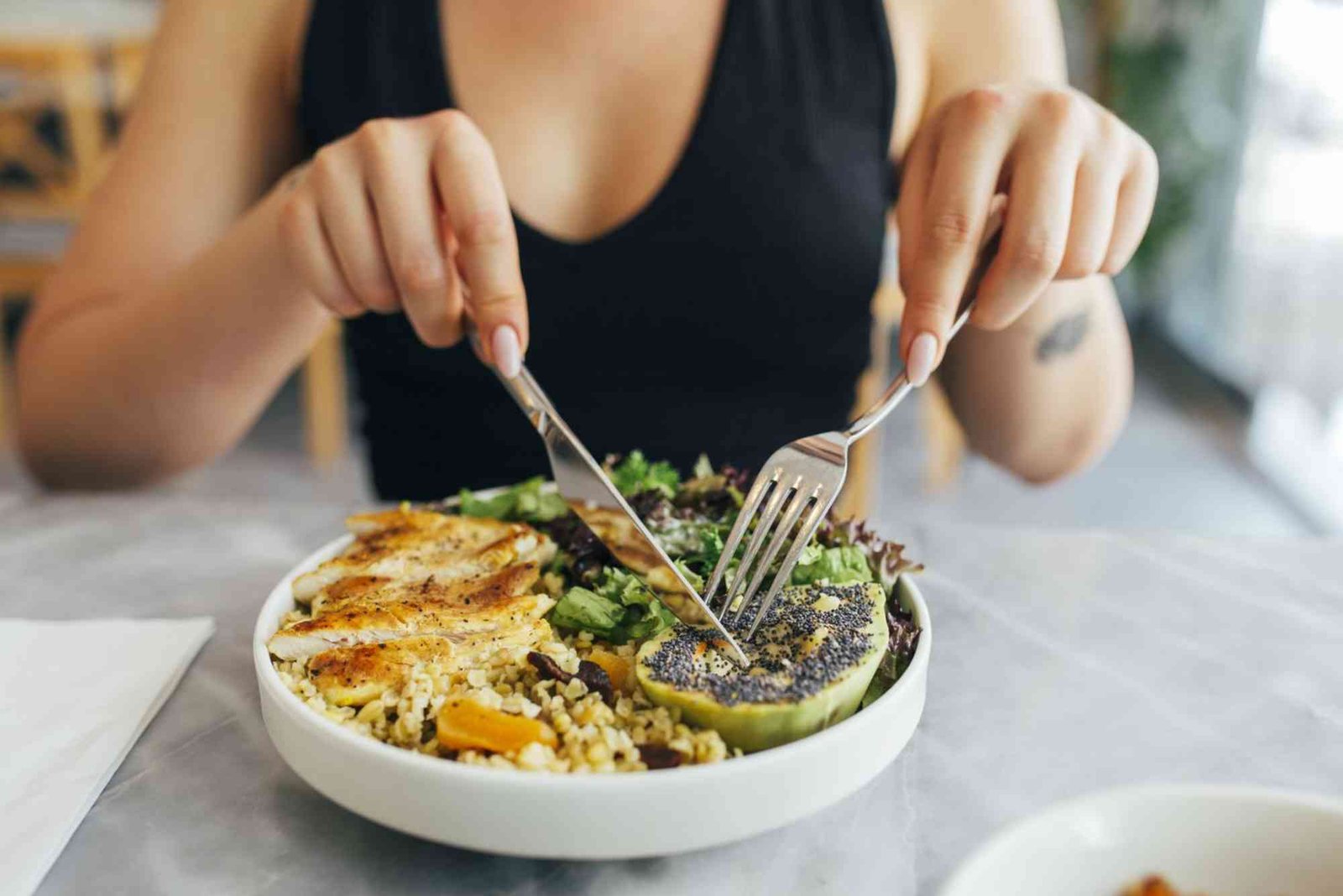
Balanced nutrition is the cornerstone of healthy eating. Each meal should ideally contain protein, carbohydrates, healthy fats, vitamins, and minerals. Proteins support muscle growth, carbs provide energy, and fats are essential for brain function. Vegetables and fruits deliver vital micronutrients that prevent deficiencies. Understanding this balance helps beginners choose ingredients more wisely and build meals that are both satisfying and nutritious.
Understanding Ingredients
Getting familiar with ingredients makes cooking less intimidating. Fresh ingredients generally provide better taste and nutrition, while frozen and canned options are convenient alternatives. Beginners should pay attention to labels, looking for minimal additives and lower sugar or sodium content. Herbs, spices, and condiments can transform simple ingredients into flavorful dishes without adding extra calories.
Food Safety
Safe food handling is crucial for beginners to prevent foodborne illnesses. Always wash hands before cooking, clean surfaces, and separate raw meat from vegetables. Cooking meat to recommended temperatures kills harmful bacteria. For more detailed guidelines, consult resources like USDA – Food Safety. Storing leftovers properly and checking expiration dates are additional habits that ensure meals remain safe to eat.
Planning Meals Effectively
Meal planning simplifies cooking and helps beginners avoid last-minute stress. It allows for better nutrition, reduces waste, and can even save money.
Start Simple
For beginners, simplicity is key. Focus on a few basic recipes that use common ingredients. Gradually expand your cooking repertoire as confidence grows. Simple meals like stir-fries, pasta dishes, and salads are versatile, quick, and nutritious.
Shopping Smart
Make a shopping list to stay organized and reduce impulse purchases. Buying in bulk for staples like rice, beans, or pasta ensures you always have essential ingredients on hand. Fresh produce should be selected based on seasonality and shelf life. Learning to shop strategically minimizes waste and improves meal planning efficiency.
Portion Control
Understanding portion sizes prevents overeating and ensures balanced nutrition. Using smaller plates, measuring ingredients, and being mindful of serving sizes helps beginners maintain healthy habits. Over time, intuitive portion control becomes second nature, making mealtime more enjoyable and satisfying.
Essential Cooking Skills
Mastering fundamental cooking skills builds confidence in the kitchen. Even beginners can create tasty meals with a few core techniques.
Knife Skills
Proper knife skills improve efficiency and safety. Learn to chop, dice, and slice consistently. Using a sharp knife reduces accidents and ensures even cooking. Beginners should start with basic cuts and gradually practice more advanced techniques.
Cooking Methods
Familiarity with common cooking methods like boiling, steaming, sautéing, and roasting is vital. Each method affects taste, texture, and nutrient retention differently. Experimenting with these techniques helps beginners discover preferred flavors and textures while expanding their culinary skills.
Flavor Building
Seasoning is more than just salt and pepper. Herbs, spices, and acids like lemon juice or vinegar enhance flavor without unnecessary calories. Taste as you cook and adjust seasoning gradually. Understanding flavor combinations transforms simple dishes into memorable meals.
Common Mistakes to Avoid
Beginners often encounter predictable challenges. Being aware of these mistakes prevents frustration and wasted ingredients.
Overcomplicating Recipes
New cooks sometimes try to replicate complex recipes immediately. This can lead to discouragement. Start with simple, reliable recipes that focus on fundamental techniques before exploring more elaborate dishes.
Neglecting Food Safety
Skipping food safety steps is common but risky. Always store, cook, and handle food properly. Avoid cross-contamination by keeping raw and cooked foods separate, and never consume expired products.
Ignoring Prep Work
Meal preparation is key to efficiency. Chop ingredients, measure spices, and organize utensils before cooking. This prep work makes the process smoother and reduces the likelihood of mistakes.
Tips for Enjoyable Cooking
Cooking should be enjoyable, not stressful. Simple strategies enhance the experience and encourage consistent practice.
Keep the Kitchen Organized
A clutter-free kitchen improves efficiency and reduces stress. Designate spaces for utensils, ingredients, and appliances. Organize your pantry so staples are easily accessible. Beginners benefit from a clean, functional cooking environment.
Learn from Mistakes
Mistakes are part of the learning process. If a dish doesn’t turn out as planned, analyze what went wrong and adjust next time. Over time, repeated practice builds skill, confidence, and creativity in the kitchen.
Experiment Gradually
Experimenting with flavors and techniques makes cooking exciting. Try substituting ingredients or adjusting seasonings slowly. Gradual experimentation reduces the risk of waste and helps beginners discover personal preferences.
Utilize Resources
Books, online tutorials, and food blogs provide guidance for beginners. You can also read our food overview or browse more food articles for inspiration. Learning from credible sources enhances knowledge, technique, and creativity.
Practical Tips for Meal Prep
Meal prep is an effective way for beginners to save time, eat healthily, and reduce stress.
Batch Cooking
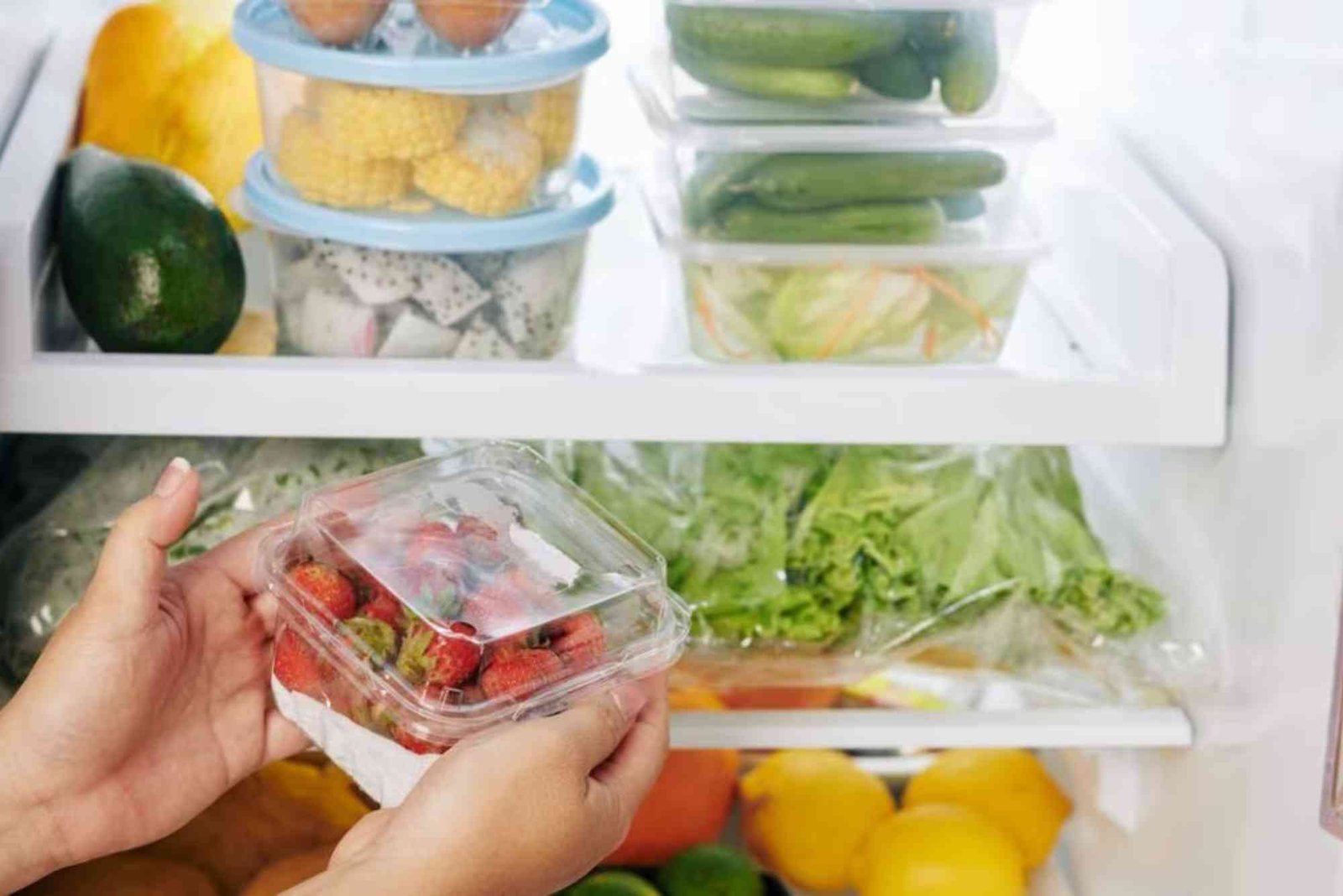
Cooking in bulk allows for ready-to-eat meals throughout the week. Store food in airtight containers and label them with dates. Batch cooking is especially useful for staples like rice, pasta, or roasted vegetables.
Use Versatile Ingredients
Choose ingredients that can be used in multiple dishes. For instance, chicken can be used in stir-fries, soups, and salads. Versatile ingredients reduce shopping complexity and maximize creativity in the kitchen.
Prep in Stages
Chopping vegetables, marinating proteins, and pre-cooking grains in stages makes cooking faster and less stressful. Beginners often find that dividing tasks improves workflow and keeps meals fresh.
Building Healthy Habits
Adopting healthy habits ensures that food practices remain sustainable over time.
Stay Hydrated
Drinking water is essential for digestion and overall health. Beginners should make hydration a priority alongside balanced meals.
Mindful Eating
Pay attention to hunger and fullness cues. Eating slowly and savoring each bite encourages better digestion and prevents overeating.
Regular Cooking Routine
Consistency builds skill and confidence. Schedule cooking sessions, even short ones, to reinforce routines and develop long-term habits.Embarking on a food journey as a beginner can feel daunting, but with practical tips, patience, and curiosity, it becomes an enjoyable experience. Understanding nutrition, mastering basic cooking skills, avoiding common mistakes, and embracing meal planning create a solid foundation for lifelong healthy eating. Take small steps, experiment gradually, and celebrate your progress. Start your journey today, explore new flavors, and make every meal an opportunity to learn and enjoy.
To expand your culinary knowledge and find inspiration for your next meal, read our food overview or browse more food articles. Remember, safe food practices are essential, so always refer to trusted guidelines like USDA – Food Safety to keep your meals safe and nutritious.
FAQs
What is the easiest way for beginners to start cooking?
Start with simple recipes using familiar ingredients and focus on mastering basic techniques like boiling, sautéing, and roasting.
How can I make meals healthier as a beginner?
Include a balance of protein, carbohydrates, and healthy fats, and add fruits and vegetables to every meal.
How do I prevent foodborne illness at home?
Wash hands, clean surfaces, separate raw and cooked foods, and cook meat to recommended temperatures. Refer to USDA – Food Safety for guidance.
What are common mistakes beginners make in cooking?
Overcomplicating recipes, neglecting food safety, and skipping meal prep are common beginner mistakes.
How can I save time when cooking?
Batch cooking, prepping ingredients in stages, and using versatile ingredients streamline meal preparation.