Introduction
Going gluten-free doesn’t mean giving up comfort food or spending hours in the kitchen. In fact, many naturally gluten-free foods—like rice, potatoes, eggs, vegetables, fruits, meat, and dairy—are probably already part of your diet.
The key is learning how to replace common gluten-containing ingredients (like wheat flour) with beginner-friendly alternatives. The best gluten-free recipes for beginners focus on simplicity, familiar flavors, and ingredients that are easy to find in most grocery stores.
What Does Gluten-Free Mean?
Gluten is a protein found in wheat, barley, and rye. It gives dough its elasticity and helps baked goods hold their shape. For people with celiac disease or gluten sensitivity, gluten can cause digestive issues and other health problems.
Common Foods That Contain Gluten
- Bread and pastries
- Pasta made from wheat
- Cakes, cookies, and biscuits
- Soy sauce (unless labeled gluten-free)
Naturally Gluten-Free Foods
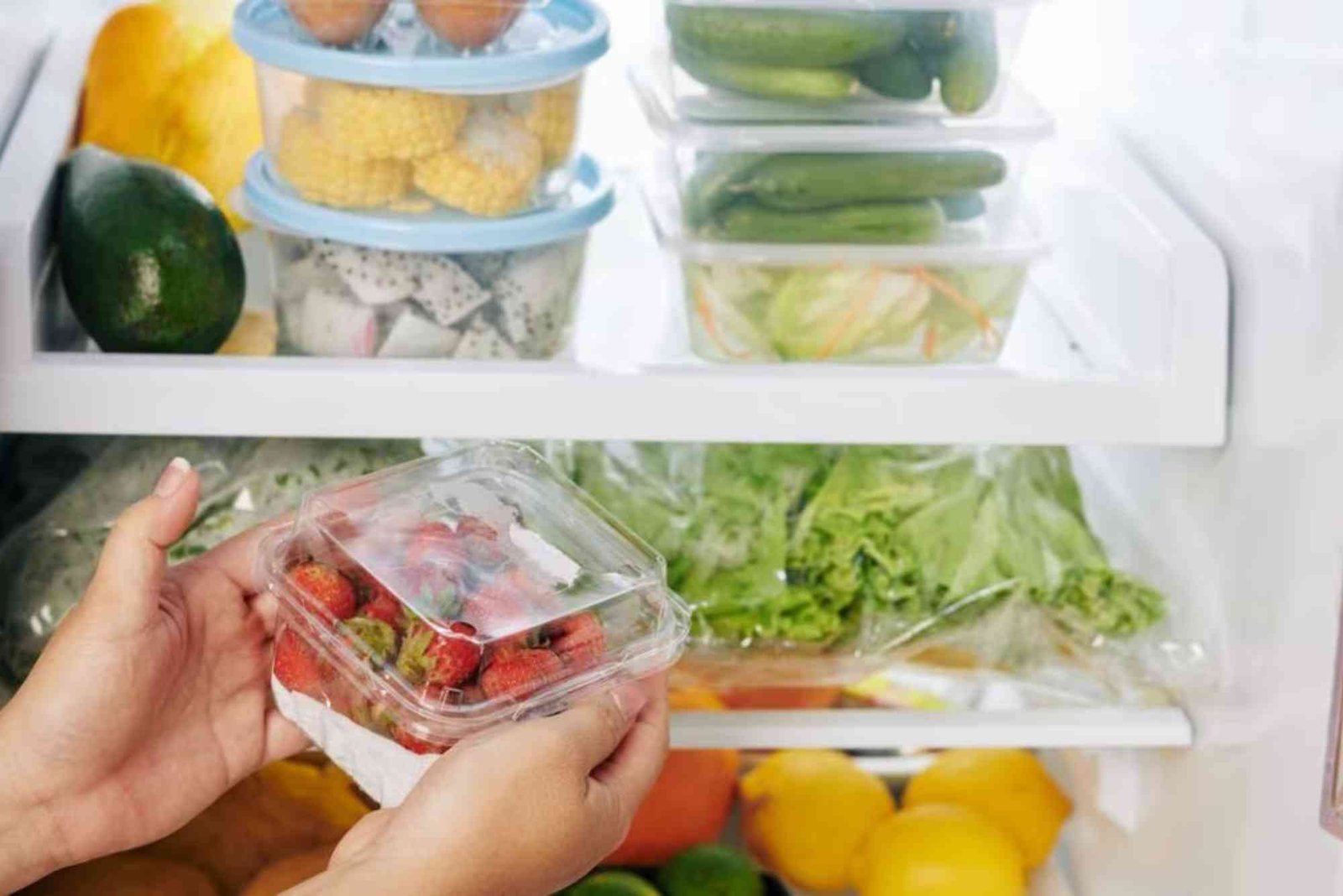
- Rice, corn, quinoa, and potatoes
- Eggs and dairy products
- Fresh fruits and vegetables
- Meat, poultry, fish, and legumes
Understanding these basics makes it much easier to follow the best gluten-free recipes for beginners without feeling restricted.
Essential Gluten-Free Ingredients for Beginners
Before jumping into recipes, it helps to stock your kitchen with a few gluten-free staples. You don’t need everything at once—start small and build gradually.
Beginner-Friendly Gluten-Free Flours
- Rice flour: Mild flavor, great for baking
- Almond flour: Adds moisture and protein
- Oat flour (certified gluten-free): Perfect for pancakes and muffins
Gluten-Free Pantry Staples
- Gluten-free baking powder
- Cornstarch or arrowroot powder
- Gluten-free pasta
- Tamari or gluten-free soy sauce
Having these on hand makes preparing the best gluten-free recipes for beginners much easier and more enjoyable.
Best Gluten-Free Breakfast Recipes for Beginners
Breakfast is often the easiest place to start with gluten-free cooking. These recipes are quick, filling, and ideal for busy mornings.
Gluten-Free Banana Oat Pancakes
These pancakes are soft, naturally sweet, and made with certified gluten-free oats.
Why beginners love it:
- Minimal ingredients
- No fancy equipment
- Kid-friendly and freezer-friendly
Scrambled Eggs with Veggies
Eggs are naturally gluten-free and endlessly customizable.
Tip: Add spinach, tomatoes, or mushrooms for extra nutrition without extra effort.
Overnight Chia Pudding
Made with milk (or plant-based milk), chia seeds, and fruit, this is a no-cook breakfast option.
These breakfast ideas show that the best gluten-free recipes for beginners don’t require special skills or long prep time.
Easy Gluten-Free Lunch Recipes
Lunch should be satisfying but simple, especially if you’re new to gluten-free cooking.
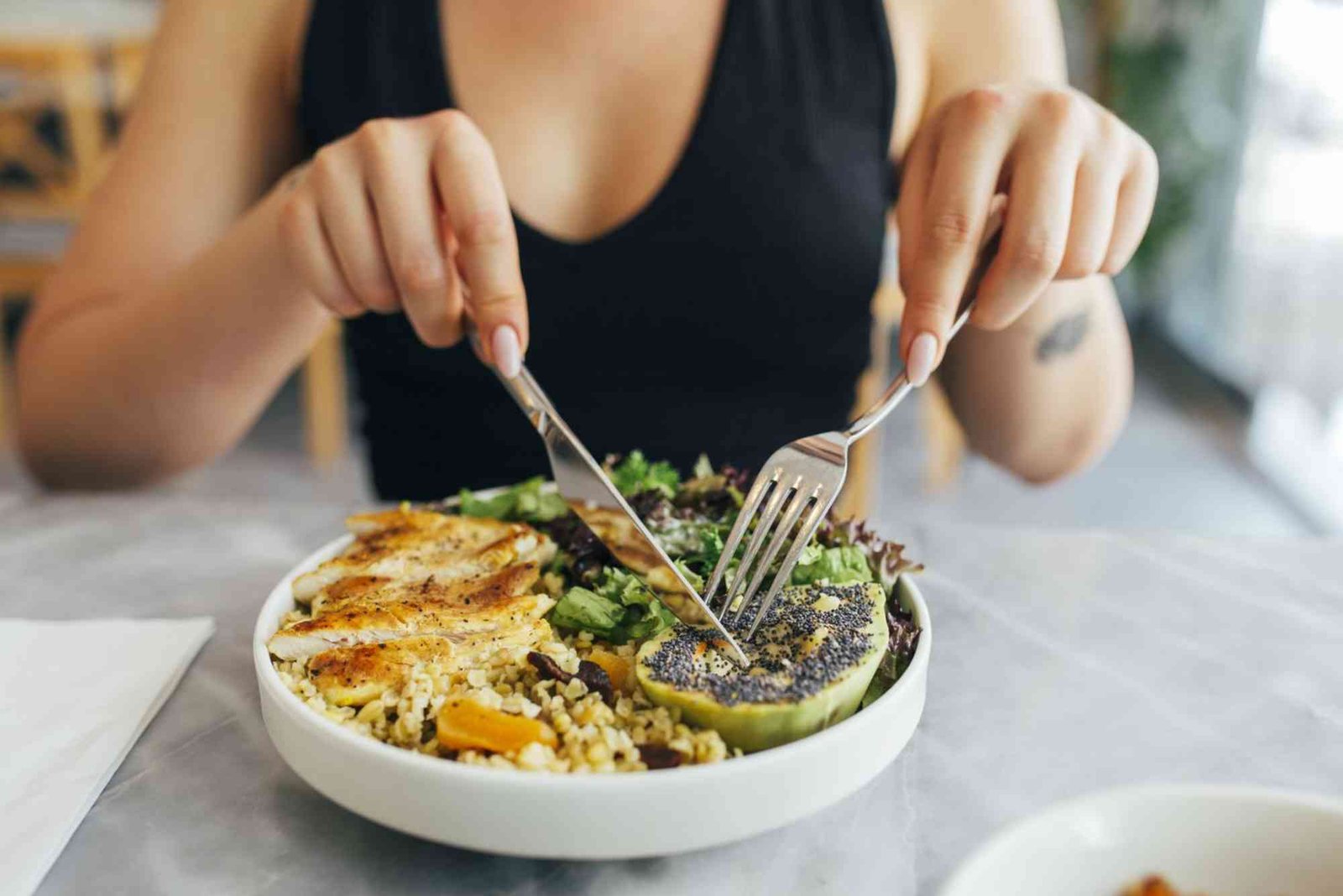
H3: Gluten-Free Chicken Rice Bowl
A balanced meal with rice, grilled chicken, and vegetables.
Why it works:
- Naturally gluten-free
- Easy to meal prep
- Great for leftovers
Quinoa Vegetable Salad
Quinoa is a protein-rich, gluten-free grain that’s perfect for salads.
Beginner tip: Cook quinoa in vegetable broth instead of water for better flavor.
Gluten-Free Wraps Using Lettuce
Swap wheat wraps for large lettuce leaves to create fresh, crunchy wraps.
These lunch ideas highlight how the best gluten-free recipes for beginners often rely on whole, unprocessed foods.
Simple Gluten-Free Dinner Recipes
Dinner is where many beginners worry the most. These recipes keep things straightforward while still tasting great.
One-Pan Lemon Garlic Chicken
A one-pan meal with chicken, potatoes, and vegetables.
Why beginners love it:
- Minimal cleanup
- Easy seasoning
- Hard to mess up
Gluten-Free Pasta with Tomato Sauce
Use gluten-free pasta made from rice or corn.
Pro tip: Cook gluten-free pasta al dente and rinse lightly to avoid stickiness.
Baked Salmon with Rice
Salmon is naturally gluten-free and rich in omega-3 fats.
These meals prove that the best gluten-free recipes for beginners can be comforting, filling, and family-approved.
Gluten-Free Snacks and Desserts for Beginners
Snacks and desserts are often where people fear gluten-free food will fall short. Thankfully, that’s not the case.
No-Bake Peanut Butter Energy Balls
Made with oats, peanut butter, and honey.
Why they’re perfect:
- No oven required
- Great for kids and adults
- Naturally gluten-free
Flourless Chocolate Brownies
Using cocoa powder and eggs instead of flour creates rich, fudgy brownies.
Fresh Fruit with Yogurt
Sometimes the simplest snack is the best one.
These options make the best gluten-free recipes for beginners feel indulgent, not restrictive.
Common Gluten-Free Cooking Mistakes to Avoid
Even the best recipes can fail if beginners make a few common mistakes.
Assuming All Gluten-Free Products Are Healthy
Gluten-free doesn’t always mean nutritious. Focus on whole foods when possible.
Cross-Contamination at Home
Use separate cutting boards, toasters, and utensils if gluten sensitivity is severe.
Overcomplicating Recipes
Stick to simple recipes at first. The best gluten-free recipes for beginners are easy for a reason.
Tips for Eating Gluten-Free on a Budget
Gluten-free eating doesn’t have to be expensive.
- Buy naturally gluten-free foods instead of specialty products
- Cook at home more often
- Buy grains like rice and lentils in bulk
Budget-friendly habits make it easier to stick with the best gluten-free recipes for beginners long-term.
FAQs
What are the easiest gluten-free meals for beginners?
Rice bowls, eggs, grilled chicken with vegetables, and salads are some of the easiest gluten-free meals to start with.
Can beginners bake gluten-free without special tools?
Yes. Many beginner recipes require only basic kitchen tools and simple gluten-free flours.
Are oats gluten-free?
Oats are naturally gluten-free but are often contaminated. Always buy oats labeled “certified gluten-free.”
How do I know if a recipe is truly gluten-free?
Check ingredient labels carefully and avoid hidden sources of gluten like sauces and seasonings.
Do gluten-free recipes taste different?
When done right, the best gluten-free recipes for beginners taste just as good as traditional ones.
Start Simple and Build Confidence
Learning to cook gluten-free doesn’t happen overnight, and that’s okay. The goal is progress, not perfection. By starting with the best gluten-free recipes for beginners, you’ll build confidence, discover new favorite foods, and create meals that support your health and lifestyle.