- 1 In-depth editorial analysis verified across multi-tier industry datasets.
- 2 Strategic implications for global technology, business, and finance sectors.
- 3 Actionable recommendations and technical roadmap guidelines.
1. Executive Overview & Context
Introduction
Modern vehicles depend heavily on electrical systems. At the heart of those systems lies a critical component: wiring harnesses. But what are wiring harnesses in automobiles exactly, why are they so essential, and what common mistakes should you avoid when dealing with them? In this article, we’ll walk you through everything you need to know — from basics to real‑world guidance.
Understanding Wiring Harnesses in Automobiles — a Quick Primer
What is a wiring harness?
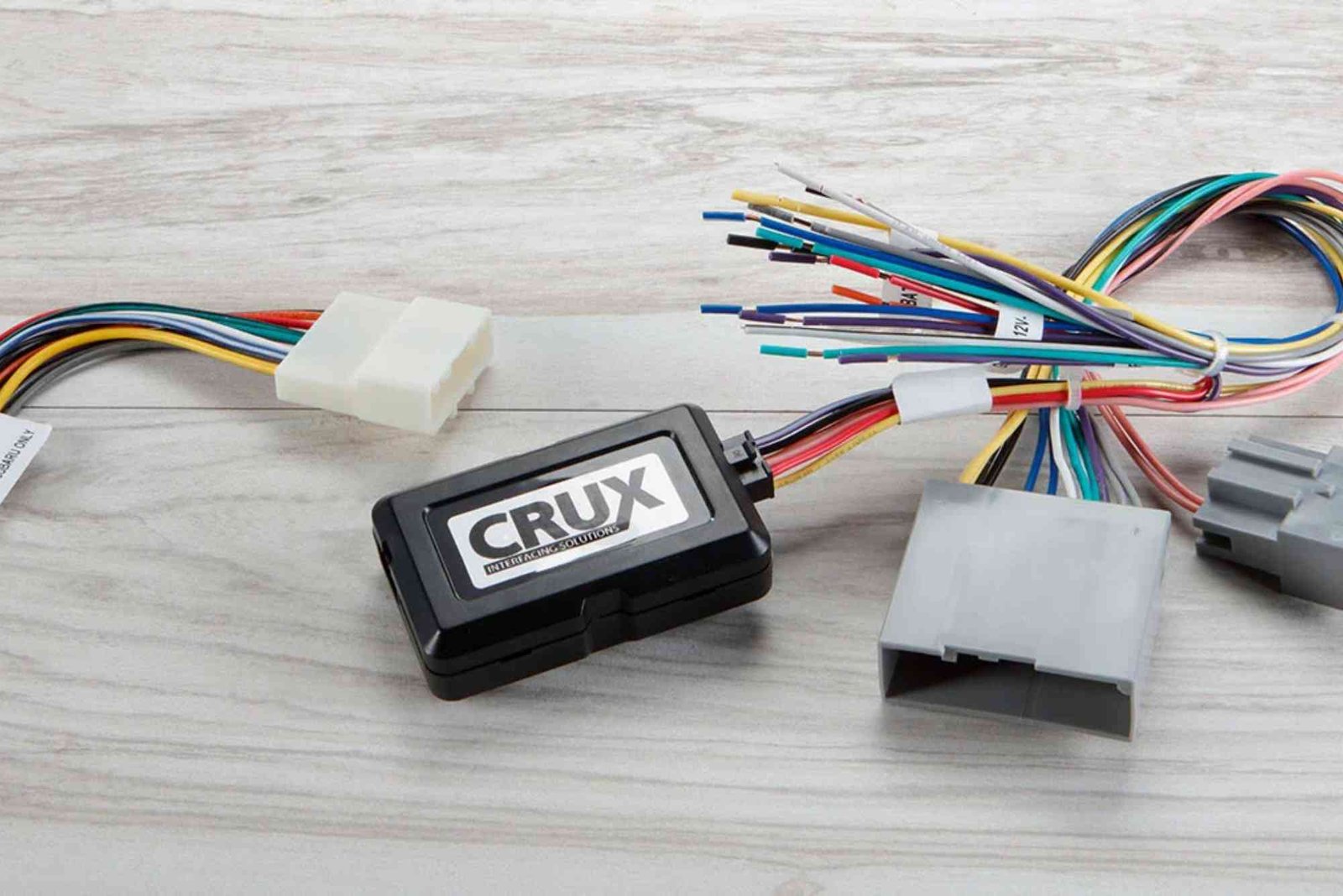
A wiring harness is a bundle of wires, terminals, connectors, and protective coverings designed to transmit electrical power and signals across various parts of a vehicle. Think of it as the nervous system of a car, linking the battery, lights, sensors, ignition, dashboard, infotainment system, and more. By consolidating individual wires into one organized assembly, harnesses help keep wiring neat, safe, and efficient.
Why do cars need wiring harnesses?
Vehicles are complex machines with dozens—sometimes hundreds—of electrical components. If each component had separate exposed wires, organization would be chaotic. Wiring harnesses reduce clutter, protect wires from heat, moisture, vibration, and abrasion, and make manufacturing and repairs more manageable. In short, they enable reliability, safety, and easier maintenance.
Key components and materials
A typical automotive wiring harness includes insulated copper or aluminum wires, plastic or rubber sleeves, protective tubing or conduits, grommets, plugs, and connectors. These materials are chosen for durability and resistance to heat, chemicals, moisture, and mechanical stress. Harnesses are routed through engine bays, undercarriages, doors, and dashboards—areas where exposure to harsh conditions is common.
Common Mistakes with Wiring Harnesses (and Why They Happen)
Despite their importance, wiring harnesses are often treated as “out of sight, out of mind.” That leads to mistakes that compromise safety and performance. Here are the most frequent pitfalls.
Overlooking proper routing and securing
One typical mistake is neglecting to route the harness correctly or failing to secure it. Loose wires may rub against sharp metal edges, moving suspension components, or hot engine parts. Over time, insulation wears away, leading to chafing, short‑circuits, or even fires. This often happens when installing aftermarket parts or doing DIY repairs without paying attention to original routing.

Using incorrect wire gauges or substandard materials
Another error is substituting wires or connectors with thinner gauge wires or poor-quality substitutes. Cheap or undersized wires may overheat when carrying current demands, especially with high-load components like starter motors, headlights, or audio amplifiers. Overheating can cause melting insulation or burnouts, damaging not only the harness but nearby components too.
Splicing wires improperly or neglecting soldering/insulation standards
Improper splicing or insecure connections are a major cause of intermittent faults and electrical failures. When wires are twisted together without soldering, or connectors are loosely crimped, vibrations from driving can loosen connections. Many DIY repairs skip heat-shrink tubing or proper insulation, leaving bare metal exposed — making short-circuits and corrosion more likely.
Ignoring environmental protection (heat, moisture, vibration)
Cars operate in harsh environments: engine heat, rain, road salt, dust, mud, and constant vibration. A failure to protect harnesses from these elements—by not using proper sleeves, conduits, sealants, or grommets—can lead to insulation breakdown, corrosion of wires, connectors, and eventual system failure.
Overloading circuits or adding too many aftermarket devices
Aftermarket upgrades—like powerful audio systems, extra lights, winches, or sensors—are common. But adding these without calculating load capacity may overload existing circuits. Wiring harnesses designed for original equipment may not cope. When circuits are overloaded, fuses may blow, or worse: wires may overheat.
Poor maintenance and neglecting regular inspections
Many car owners forget that wiring harnesses require periodic inspection — especially if the vehicle is old or exposed to harsh conditions. Over time, insulation cracks, connectors loosen, and corrosion can build up. Without regular checks, small issues snowball into costly repairs or dangerous failures.
How to Avoid Mistakes — Best Practices for Wiring Harness Installation & Maintenance
Having seen common errors, here’s how to do things right — or fix what’s already wrong.
Plan routing carefully — follow factory paths or use secure mounts
When installing or replacing a harness, start by mapping the original routing or consulting service manuals. Use existing grommets, brackets, or conduit passages when possible. Always secure the harness with clamps, zip‑ties (with rubber-lined mounts), or clips rather than letting it hang loosely. Avoid proximity to sharp edges, moving parts, or hot surfaces.
Use correct wire gauge, high-quality materials, and proper connectors
Choose wiring that matches or exceeds OEM (Original Equipment Manufacturer) specifications. For high-current circuits, use thicker gauge wires. Always pick automotive-grade wires and connectors rated for heat, moisture, and vibration. Avoid cheap, generic wires and terminals — the small savings may cost you big later.
Make professional-quality splices and protect connections
When splicing, solder wires properly, then cover with heat-shrink tubing or high-quality insulating tape. Alternatively, use sealed connectors or splice blocks rated for automotive use. Ensure every connection is secure, tight, and protected against moisture and vibration.
Protect harnesses from environment — sleeves, conduits, heat shielding
Use corrugated conduit, split tubing, or wire looms to shield wires. Where the harness passes near engine or exhaust parts, add heat-resistant wrap or shields. For areas exposed to moisture — like undercarriage or under seats — use sealed connectors and waterproof coatings.
Evaluate electrical load before adding accessories
Before installing aftermarket equipment, calculate total electrical load. If you add substantial load (e.g. high-power audio, lights), consider installing an auxiliary wiring harness directly from the battery with its own fuse and routing. Or upgrade the entire harness if needed. This avoids overloading factory wiring.
Inspect and maintain harnesses periodically
Schedule inspections every 6–12 months, especially if vehicle is used in harsh conditions. Look for cracks in insulation, exposed conductors, loose connectors, corrosion, or wiring soft spots. Replace or repair any compromised section immediately. Use dielectric grease on connectors to prevent oxidation.
Real-World Examples: When Wiring Harness Issues Created Big Problems
Imagine a driver who installed a high-power aftermarket amplifier without upgrading wiring. After a few weeks, the car’s wiring insulation near the trunk overheated, melted, and caused a fire under the carpet. Or a passenger vehicle whose door wiring-to-dashboard harness was rerouted incorrectly during seat replacement — vibration caused wires to rub against the seat rail, eventually cutting the feed to the airbag sensor.
In such cases, the problem wasn’t the component — it was neglecting wiring harness standards. These stories highlight why understanding and maintaining wiring harnesses in automobiles is not optional but essential.
Understanding Wiring Harnesses with OEM vs. Aftermarket Wiring
OEM wiring harnesses — factory-built reliability
Original wiring harnesses are designed for durability and longevity. They use automotive-grade materials, proper routing paths, and conform to all safety standards. OEM harnesses are tested under many operating conditions — heat, vibration, moisture — to ensure they hold up over years of use. Choosing OEM when replacing or repairing wiring ensures compliance with vehicle’s original design and helps maintain reliability.
Aftermarket or custom harnesses — proceed with caution
Aftermarket wiring harnesses or custom-made ones can offer flexibility and additional functionality. But they must still meet OEM-quality standards. If you go down this path, ensure that materials, wire gauge, connectors, and installation methods match or exceed original specs. Only then can you trust the harness to deliver safety and performance.
Why It Matters: Safety, Performance, and Longevity
Proper wiring harness design and maintenance affect three critical aspects:
- Safety: Poor wiring can lead to short-circuits, fires, malfunctioning lights, sensors, or even disabled airbag systems.
- Performance: A good harness ensures stable voltage delivery, preventing flickering lights, stalls, or performance dips.
- Longevity: Correct materials and installation reduce wear, prevent corrosion, and avoid frequent repairs.
Neglecting wiring harnesses turns your car’s electrical backbone into a ticking time bomb. On the other hand, treating wiring with respect prolongs vehicle life and saves money down the road.
Practical Steps: What to Do If You Suspect Wiring Issues
If you suspect a wiring harness problem — flickering lights, strange engine behavior, intermittent electrical faults — take these steps:
First, inspect visible wiring under the hood, beneath dash panels, and around doors and trunk. Look for damaged insulation, exposed conductors, or loose connectors. Next, try to trace wires to find potential rubbing points or heat exposure. If you find a damaged section, replace the entire wire or connector rather than patching temporarily. Always use OEM‑grade (or better) materials. Finally, test all affected systems afterward — lights, sensors, battery voltage — to ensure reliability.
Further Reading & Resources
For a detailed technical reference, see this what is wiring harnesses in automobiles — a quick guide which dives deep into harness types, wiring standards, and design considerations. If you want to explore broader automotive topics, check out our related automobile resources for maintenance tips, system overviews, and repair guides. We also encourage collaboration with our editorial partner for expert diagnostics and professional advice on wiring and vehicle safety.
FAQs
What is the role of a wiring harness in a car?
A wiring harness bundles wires and connectors to deliver power and signals across a vehicle. It organizes wiring, protects insulation, and keeps electrical systems safe and reliable.
How long does a car wiring harness last?
A well‑made, correctly installed wiring harness can last a vehicle’s lifetime. However, lifespan depends on factors such as heat, vibration, moisture, and maintenance frequency. Proper insulation and periodic inspection are key.
Can I install aftermarket electronics without changing the wiring harness?
You can, but only if the existing harness supports additional load. For high-power accessories, it is best to run a dedicated auxiliary harness or upgrade to a heavier gauge wiring harness.
What causes wiring harness failure?
Common causes include abrasion, vibration, heat exposure, moisture, corrosion, poor installation, incorrect wire gauge, and overloading circuits.
Wiring harnesses may be out of sight, but they are never out of importance. They connect every electrical component, and their integrity is vital for safety, performance, and longevity. By understanding wiring harnesses in automobiles, recognizing common mistakes, and following best practices — from proper routing and wiring selection to routine inspection — you can avoid costly and dangerous failures.
"High-impact publishing requires an uncompromising commitment to factual accuracy, editorial clarity, and reader-first accessibility."
2. Technical & Market Deep Dive
Across our 23 publishing verticals, real-time data processing and verified expert commentary ensure that readers receive accurate intelligence without speculative noise.
Get Weekly Deep Dives Direct To Your Inbox
3. Future Outlook & Summary
As digital markets continue to evolve, Aerial Loop remains committed to expanding real-time coverage, AI key takeaway digests, and daily audio broadcast podcast streams.
Written by Muhammad Shahbaz
Senior Editor and Technology Lead at Aerial Loop. Reporting on AI system architectures, digital assets, and global market trends.