- 1 In-depth editorial analysis verified across multi-tier industry datasets.
- 2 Strategic implications for global technology, business, and finance sectors.
- 3 Actionable recommendations and technical roadmap guidelines.
1. Executive Overview & Context
Introduction
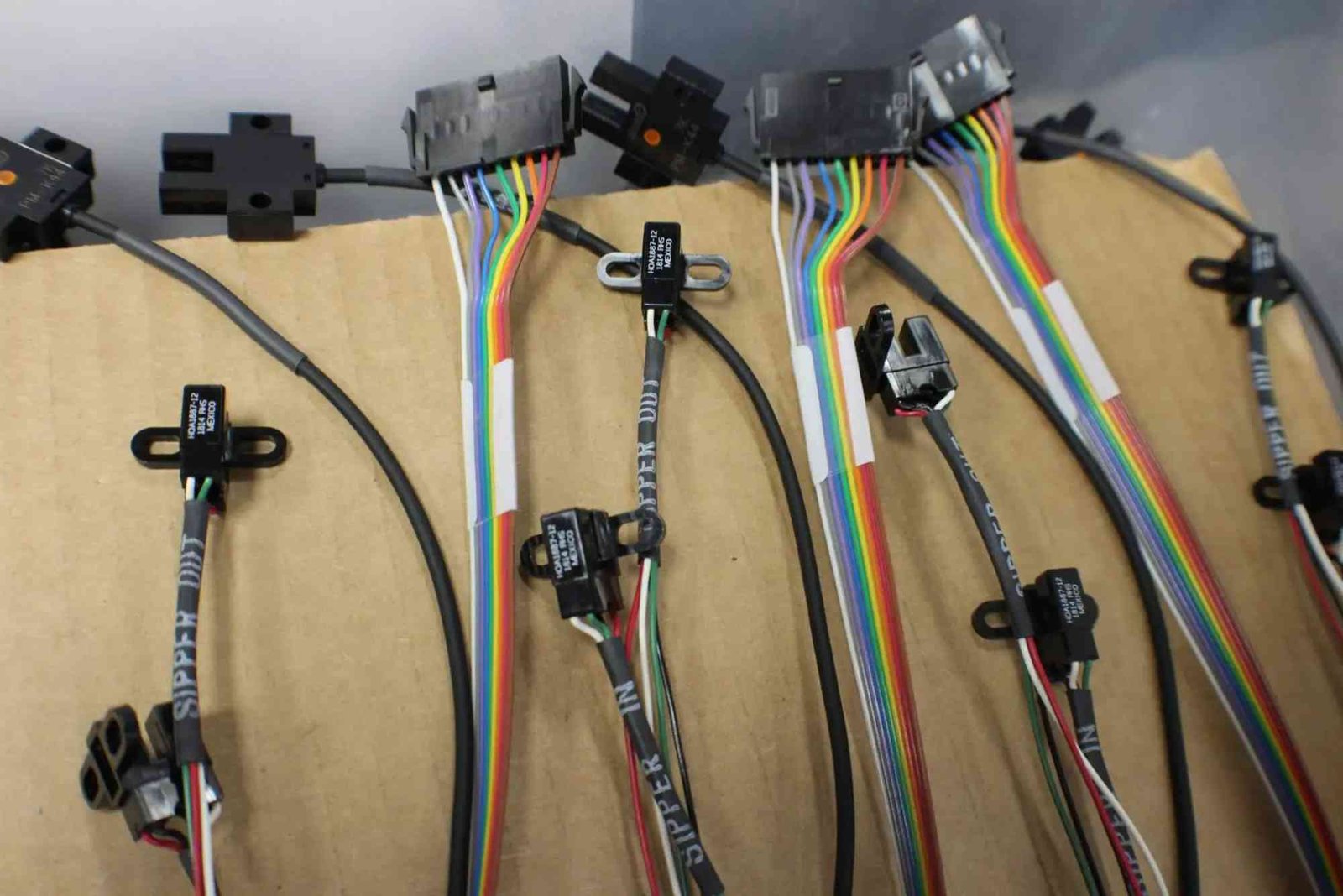
Every modern automobile relies heavily on electrical systems to function smoothly, and at the heart of this network lies the wiring harness. Understanding what wiring harnesses in automobiles are can help both car enthusiasts and everyday drivers maintain their vehicles effectively. These intricate bundles of wires connect all electrical components, from headlights and sensors to infotainment systems, ensuring seamless communication across the car’s systems. Without a properly functioning wiring harness, even minor electrical issues can escalate into costly repairs. In this article, we’ll explore the structure, types, and essential tips for maintaining wiring harnesses, along with a handy checklist for troubleshooting common problems.
What Is a Wiring Harness in Automobiles?
A wiring harness is essentially the central nervous system of a car’s electrical framework. It consists of a carefully bundled set of wires, connectors, and terminals designed to transmit electrical power and signals throughout the vehicle. Unlike a simple wire, a harness is organized to prevent tangling, reduce vibration damage, and simplify installation. In essence, it ensures that electricity flows efficiently to all vital systems, enabling smooth operation of both mechanical and electronic components.
The design of wiring harnesses is critical, as it must withstand high temperatures, moisture, and constant movement. Automakers often use durable insulation materials and protective sleeves to prolong their lifespan. A well-designed wiring harness not only enhances vehicle safety but also improves overall performance by ensuring precise communication between different components.
Types of Wiring Harnesses in Automobiles
Automobiles feature several types of wiring harnesses, each serving a specific function. The main types include engine harnesses, chassis harnesses, and body harnesses. The engine harness connects vital components such as the alternator, ignition system, and sensors to the vehicle’s electrical system. Meanwhile, the chassis harness is responsible for lighting, brakes, and other mechanical functions. The body harness, often the most extensive, links the dashboard, infotainment systems, and doors. Understanding these types helps drivers and mechanics troubleshoot issues more effectively.
Each type of harness is tailored to its environment. For instance, engine harnesses often feature heat-resistant coatings to withstand the high temperatures under the hood. Similarly, body harnesses prioritize flexibility and corrosion resistance to endure long-term exposure to varying weather conditions. Proper installation and periodic inspection of each harness type are key to maintaining a reliable vehicle.
Key Components of a Wiring Harness
A wiring harness is more than just a collection of wires. It includes connectors, terminals, grommets, and protective sheathing. Connectors allow secure attachment to devices, while terminals ensure a stable electrical connection. Grommets protect wires from chafing against sharp edges, and sheathing provides insulation and durability. These components work together to minimize the risk of shorts, disconnections, and electrical failures, keeping your vehicle safe and operational.

Modern vehicles may also incorporate advanced components such as sensors, relays, and integrated circuits within the harness. These additions help streamline complex electrical networks, reducing wiring clutter while enhancing functionality. Car owners should ensure that all these components are intact and free from corrosion or damage, as even minor deterioration can impact overall performance.
Signs of a Failing Wiring Harness
Recognizing issues with a wiring harness early can prevent expensive repairs. Common signs include flickering or non-functional lights, intermittent power to accessories, and blown fuses. Drivers might also notice unusual smells, such as burning insulation, or see visible wear and tear on the harness itself. Ignoring these signs can lead to short circuits, complete system failure, or even vehicle fires.
Regular inspections are vital, especially for older vehicles. Mechanics often use diagnostic tools to detect voltage drops or broken connections within the harness. Promptly addressing minor faults not only restores functionality but also prolongs the lifespan of the entire electrical system. Keeping a close eye on these warning signs can save drivers from significant headaches and costs down the road.
Tips for Maintaining Wiring Harnesses
Proper care and maintenance of wiring harnesses can enhance a vehicle’s reliability. Start by keeping the engine bay clean, as dirt and debris can damage wires over time. Avoid sharp bends or excessive tension when handling wires, and inspect harnesses periodically for fraying or corrosion. Additionally, ensure that connectors are secure and free from moisture, as even small gaps can lead to shorts.
Using protective coatings and cable ties can further prevent damage caused by vibration or heat. In some cases, replacing old harnesses with modern, upgraded versions can enhance overall electrical performance. By integrating these maintenance practices into routine vehicle care, drivers can significantly reduce the risk of electrical failures.
Step-by-Step Checklist for Wiring Harness Inspection
A structured checklist simplifies the process of inspecting a wiring harness. Begin by visually examining all wires and connectors for visible damage. Check for loose or corroded terminals and ensure that grommets and protective sleeves are intact. Test electrical continuity using a multimeter to detect potential shorts or breaks. Finally, verify that all components receive proper voltage during operation.
Following this checklist regularly ensures a comprehensive assessment of the wiring harness. It not only helps identify current issues but also highlights potential future problems, allowing preemptive maintenance. For more in-depth guidance, you can also learn about what is wiring harnesses in automobiles.
Common Mistakes to Avoid
When working with automotive wiring harnesses, some common mistakes can compromise safety and efficiency. Avoid using low-quality connectors or patching wires temporarily without proper insulation. Never pull wires forcefully or allow them to rest near hot engine components without adequate protection. Additionally, skipping regular inspections can allow minor issues to escalate into major electrical failures.
Automakers design wiring harnesses with precision, meaning even small modifications can affect system performance. Staying vigilant, using recommended materials, and following manufacturer guidelines ensures that repairs or modifications do not compromise safety or vehicle function.
Future Trends in Wiring Harness Technology
Automobile wiring harnesses continue to evolve with the rise of electric vehicles and smart technologies. Modern designs focus on lightweight materials, modular layouts, and enhanced data transmission capabilities. Advanced vehicles may feature high-speed communication lines integrated into the harness, reducing cable clutter and improving overall efficiency.
As cars become more connected and automated, the role of the wiring harness will only grow. Innovations in materials, insulation, and connectors will further enhance durability and safety. Staying informed about these trends helps car enthusiasts and mechanics anticipate future maintenance needs and optimize vehicle performance.
Understanding what wiring harnesses in automobiles are and how to maintain them is crucial for vehicle longevity and safety. By recognizing the types of harnesses, identifying warning signs, and following maintenance best practices, drivers can prevent costly repairs and ensure reliable performance. Regular inspections, careful handling, and adherence to manufacturer guidelines are the foundation of effective wiring harness care.
Take control of your vehicle’s electrical health today. Start with a thorough inspection of your wiring harness and implement a maintenance routine to keep your automobile running smoothly. For more insights, you can also browse more automobile articles or check out Edmunds – Car Buying Advice for expert recommendations.
FAQ
What is the main function of a wiring harness in a car?
A wiring harness transmits electrical power and signals across the vehicle, connecting critical components and enabling smooth operation.
How can I tell if my wiring harness is damaged?
Look for flickering lights, blown fuses, unusual smells, or visible wear on wires. Diagnostic tools can also detect breaks or shorts.
Can I repair a damaged wiring harness myself?
Minor repairs like securing connectors or replacing grommets can be done, but extensive damage often requires professional replacement.
How often should I inspect my car’s wiring harness?
Routine inspections every six months are recommended, with more frequent checks for older vehicles or those exposed to harsh conditions.
Do electric vehicles use the same wiring harnesses as traditional cars?
EVs use specialized harnesses designed to handle high-voltage systems, data communication lines, and advanced safety protocols.
Related Reading: Top Automobile Service Tips for Better Reliability
Related Reading: How to What Is Content Marketing In Digital Marketing — Tips & Checklist — full guide
Related Reading: How to Rent a Car in Larnaca Without a Deposit — full guide
"High-impact publishing requires an uncompromising commitment to factual accuracy, editorial clarity, and reader-first accessibility."
2. Technical & Market Deep Dive
Across our 23 publishing verticals, real-time data processing and verified expert commentary ensure that readers receive accurate intelligence without speculative noise.
Get Weekly Deep Dives Direct To Your Inbox
3. Future Outlook & Summary
As digital markets continue to evolve, Aerial Loop remains committed to expanding real-time coverage, AI key takeaway digests, and daily audio broadcast podcast streams.
Written by Muhammad Shahbaz
Senior Editor and Technology Lead at Aerial Loop. Reporting on AI system architectures, digital assets, and global market trends.