- 1 In-depth editorial analysis verified across multi-tier industry datasets.
- 2 Strategic implications for global technology, business, and finance sectors.
- 3 Actionable recommendations and technical roadmap guidelines.
1. Executive Overview & Context
Introduction
Mixing furniture styles is one of the most powerful ways to create a home that feels personal, stylish, and timeless. Instead of buying a matching set, today’s interior designers recommend blending old and new, modern and traditional, rustic and elegant. The key is knowing how to mix and match furniture styles without making your space look chaotic.
In this guide, you’ll learn proven design principles, real-world tips, and easy rules to confidently combine different furniture styles. Whether you live in a small apartment or a large house, this article will help you create a space that feels curated rather than cluttered.
Why Mixing Furniture Styles Is a Smart Design Choice
Many homeowners think matching furniture is the “safe” option. In reality, it often makes a room look flat and boring. Mixing styles adds:
- Personality – Your space reflects your taste, not a showroom.
- Depth and character – Different eras and textures create interest.
- Flexibility – You can add pieces over time instead of replacing everything.
When you learn how to mix and match furniture styles properly, you unlock endless design possibilities.
Understand the Core Furniture Styles
Before blending styles, it helps to recognize the main design categories.
Modern
Clean lines, minimal details, neutral colors, and sleek materials like glass, metal, and smooth wood.

Traditional
Classic shapes, ornate details, rich woods, and warm tones. Think carved legs, tufted sofas, and antique finishes.
Rustic / Farmhouse
Natural textures, distressed wood, cozy fabrics, and earthy tones. Very warm and welcoming.
Industrial
Metal, exposed wood, leather, and raw finishes. Inspired by factories and urban lofts.
Scandinavian
Light colors, natural wood, simplicity, and functionality with a cozy feel.
Mid-Century Modern
1950s–60s style with clean lines, tapered legs, bold shapes, and warm wood tones.
Understanding these styles makes it easier to see which pieces can work together.
The Golden Rule: Choose a Dominant Style
One of the biggest secrets to how to mix and match furniture styles is choosing one main style as your base.
For example:
- 70% modern
- 20% rustic
- 10% industrial
This keeps your space balanced and avoids visual overload.
How to Pick Your Base Style
Ask yourself:
- What do I naturally like?
- What style fits my home’s architecture?
- Which furniture do I already own?
Start with your main style, then layer others as accents.
Use a Consistent Color Palette
Color is what visually connects different furniture styles.
Choose 3–5 Core Colors
Stick to a small color palette across your room. This makes mismatched furniture feel intentional.
Example palette:
- Neutral base: beige, gray, or white
- Accent: navy, olive, or terracotta
- Metal/wood tone: black, brass, oak, or walnut
Even if your furniture styles differ, similar colors create harmony.
Mix Materials and Textures
Different styles often use different materials. Blending them adds depth.
Popular Texture Combinations
- Leather + soft fabric
- Wood + metal
- Glass + stone
- Smooth + distressed finishes
When learning how to mix and match furniture styles, think beyond color—texture is just as important.
Balance Old and New
A beautiful space usually combines:
- Vintage or antique pieces for character
- Modern pieces for comfort and function
Example
Pair a vintage wooden dining table with modern chairs. Or place a sleek sofa next to a classic coffee table.
This contrast keeps the room feeling alive.
Keep Scale and Proportion in Mind
Even the best mix of styles fails if the furniture sizes don’t work together.
Tips:
- Avoid pairing bulky pieces with very delicate ones.
- Keep seat heights similar in one area.
- Balance large furniture with lighter visual pieces.
Proportion ensures that mixed styles still feel cohesive.
Repeat Key Design Elements
Repetition makes your room look intentional.
What to Repeat
- Wood tones
- Metal finishes
- Leg shapes
- Fabric textures
For example, if one chair has black metal legs, repeat that detail elsewhere in the room.
Create Visual Anchors
Every room needs a “hero” piece.
Examples:
- A bold sofa
- A unique dining table
- A statement bed frame
Build the rest of the room around this anchor. This approach makes mixing styles much easier.
Room-by-Room Mixing Tips
Living Room
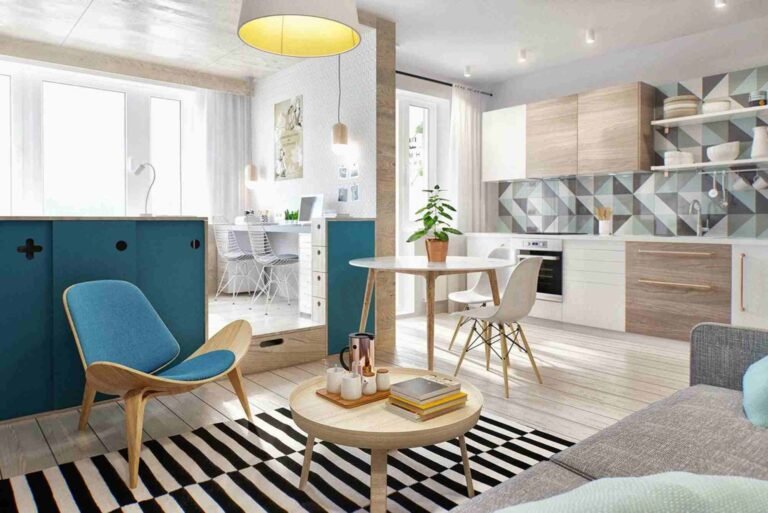
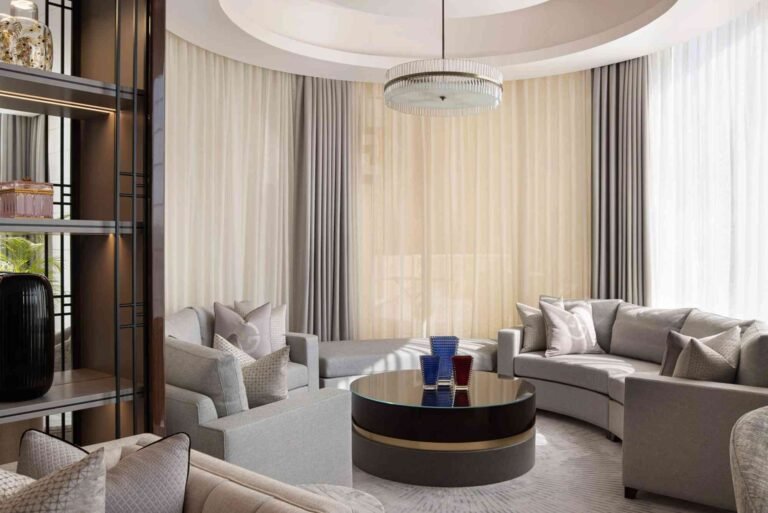
Combine a modern sofa with a rustic coffee table and traditional lamps. Use pillows and rugs to tie colors together.
Bedroom
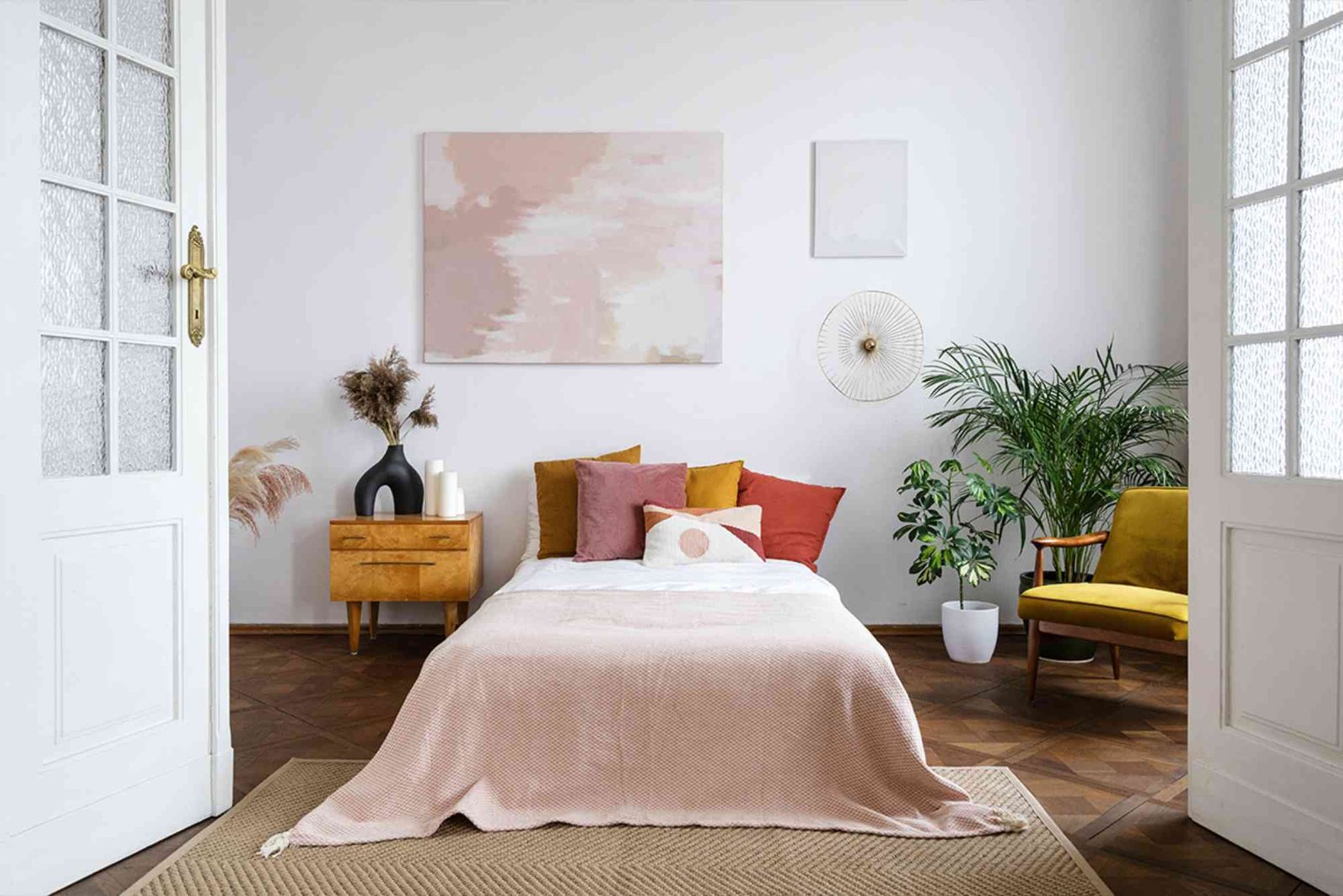
Pair a classic wooden bed with modern nightstands. Add soft, neutral bedding to balance the look.
Dining Room
Use a farmhouse table with mid-century chairs. Add a modern pendant light for contrast.
Common Mistakes to Avoid
- Using too many styles at once
- Ignoring color harmony
- Buying furniture without a plan
- Mixing extreme opposites with no connection
Learning how to mix and match furniture styles is about balance—not chaos.
FAQs
Can you mix different furniture styles in one room?
Yes, and it’s encouraged. As long as you maintain a color palette, balance, and a dominant style, mixing looks intentional.
What is the 70/30 rule in interior design?
It means 70% of your room follows one main style, while 30% comes from other styles as accents.
How do you make mismatched furniture look good?
Use consistent colors, repeat materials, and balance furniture sizes to create harmony.
Is mixing modern and traditional furniture okay?
Absolutely. This blend is called “transitional style” and is one of the most popular design approaches.
Design a Home That Tells Your Story
Learning how to mix and match furniture styles gives you freedom to design a home that feels personal, warm, and unique. By choosing a base style, keeping a cohesive color palette, and balancing textures, you can confidently blend different looks without fear.
Here is a ~400 character SEO-friendly paragraph for your blog base site:
Discover expert insights, digital solutions, and helpful resources to grow your online presence. At Aerial Loop, you’ll find the latest tips on technology, marketing, business, and more—all in one place.
"High-impact publishing requires an uncompromising commitment to factual accuracy, editorial clarity, and reader-first accessibility."
2. Technical & Market Deep Dive
Across our 23 publishing verticals, real-time data processing and verified expert commentary ensure that readers receive accurate intelligence without speculative noise.
Get Weekly Deep Dives Direct To Your Inbox
3. Future Outlook & Summary
As digital markets continue to evolve, Aerial Loop remains committed to expanding real-time coverage, AI key takeaway digests, and daily audio broadcast podcast streams.
Written by Muhammad Shahbaz
Senior Editor and Technology Lead at Aerial Loop. Reporting on AI system architectures, digital assets, and global market trends.